Babyface: A Playful Font for Handmade Creations
I was designing a set of candle labels the other day, and I needed something that felt both modern and warm. That’s when I stumbled upon Babyface—a handwritten script font that immediately caught my eye. Its soft curves and friendly personality made me think of a child’s doodle, but with a level of polish that felt just right for my shop. It wasn’t just a font; it was a creative spark.
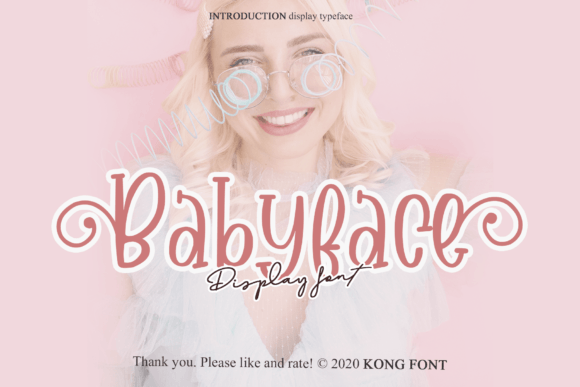
Babyface has this charming, playful vibe that makes it perfect for anything handmade. The letterforms are fluid, almost like they were drawn with a pencil in one smooth motion. It’s not too ornate, so it works well on small stickers or product tags, but it also carries enough character to stand out on larger items like greeting cards or wall art. I found myself using it for everything from birthday invitations to seasonal packaging, and each time, it brought a touch of personality to the design.
From Labels to Wall Art: How Babyface Comes to Life
One of the first things I tested Babyface on was a set of custom candle labels. I paired it with a clean sans serif font for the pricing and product names, which helped keep the design balanced. The result? A label that felt inviting and personal, like it had been handcrafted just for the customer.
I also used it on a batch of printable greeting cards. The font’s gentle slant and soft edges gave the cards a whimsical feel that matched the illustrations I included. For digital downloads, I made sure to test how it looked at different sizes and resolutions, especially since I wanted to ensure it remained legible on printed cards and social media previews alike.
Another favorite use was for boutique packaging. I applied Babyface to a series of fabric tote bags, using it for the brand name and tagline. The font’s charm helped reinforce the handmade, artisanal feel of the products. It worked equally well on mugs and shirts, where its playfulness added a nice contrast to more structured designs.
Designing with Purpose: Why Babyface Works So Well
What I love most about Babyface is how versatile it is. It doesn’t scream for attention, but it still has a presence that draws people in. It’s ideal for short phrases, names, and titles, making it a great choice for product labels, signs, and branding elements. However, I’ve also found that it can work beautifully in longer text when paired with the right supporting fonts.
When creating mockups, I often pair Babyface with a simple sans serif font for body text. This combination keeps the design readable while maintaining a sense of creativity. For example, I used it on a set of planner pages, where it added a fun, personal touch to weekly headers without overwhelming the rest of the layout.
Readability is key, especially when working with cutting machines or printing small stickers. I’ve noticed that Babyface cuts cleanly in Silhouette and Cricut software, which is a big plus for those who rely on these tools for their designs. It’s also important to check if the font includes alternates, ligatures, or swashes, as these can add subtle variety to your text without changing the overall style.
Font Pairing and Practical Tips for Makers
For those looking to explore font pairing, Babyface plays nicely with a range of styles. A minimalist serif font can help balance the script’s energy, while a bold display font can create a striking contrast for headlines or logos. When designing for print or digital use, always make sure to check the file formats and licensing terms, especially if you plan to sell physical products or digital templates.
Another thing to consider is multilingual support. If your shop caters to an international audience, confirming that Babyface supports the characters you need is essential. I also recommend testing the font across different platforms to ensure consistency, whether you’re using Photoshop, Illustrator, or even free design tools like Canva.
Whether you’re making holiday tags, wedding invitations, or digital printables, Babyface brings a unique warmth to any project. It’s not just a font—it’s a tool that helps you tell your story, connect with your audience, and elevate your handmade creations. And for someone who spends so much time crafting, that’s a powerful thing to have in your design toolkit.